
How to Conduct an Investigation in the NDIS: A Practical Guide for Providers
NDIS providers can face complex complaints involving worker conduct, participant safety, reportable incidents and regulatory obligations. This practical guide explains when a formal investigation may be required, how to structure the process, what evidence to gather and how to ensure procedural fairness.
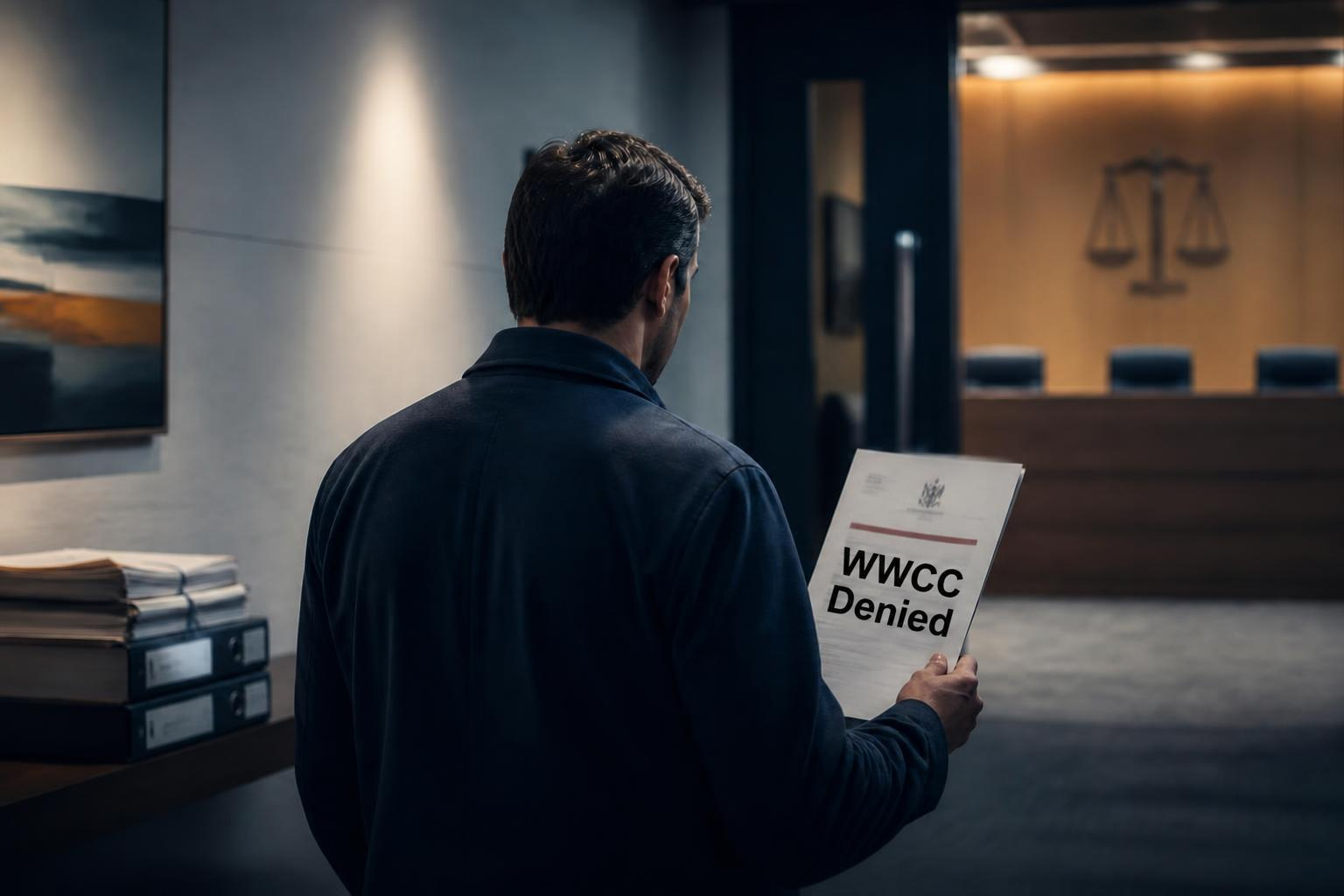
Unsubstantiated Allegations Still Result In Loss of Working With Children Check
Six women and girls made similar complaints over thirteen years. None were proven in court. NCAT still refused a Working with Children Check clearance. Here is how the Tribunal reasoned through a pattern of unproven allegations, and what it means for risk assessments.

Key HR Takeaways from a fight that occurred after a work Christmas party had finished
A maintenance officer threw a punch at a bar 200 metres from the office, after the Christmas party had officially ended. The Fair Work Commission upheld his summary dismissal. The decision is a clean case study in out of hours conduct, missing CCTV, shifting accounts and the limits of a provocation argument.

Allegation Letter Error Ends in Unfair Dismissal Finding
An allegation letter overstated what the evidence actually proved, and blurred a genuine performance issue with an unproven misconduct claim. The result: an otherwise defensible dismissal found unfair.
When Does Assault become a Serious Physical Assault for a Reportable Conduct Finding?
An assault finding under the NSW Reportable Conduct Scheme isn't the end of the analysis. Here's how to tell whether it also meets the higher threshold of a serious physical assault, plus a checklist and reference table to work through it.
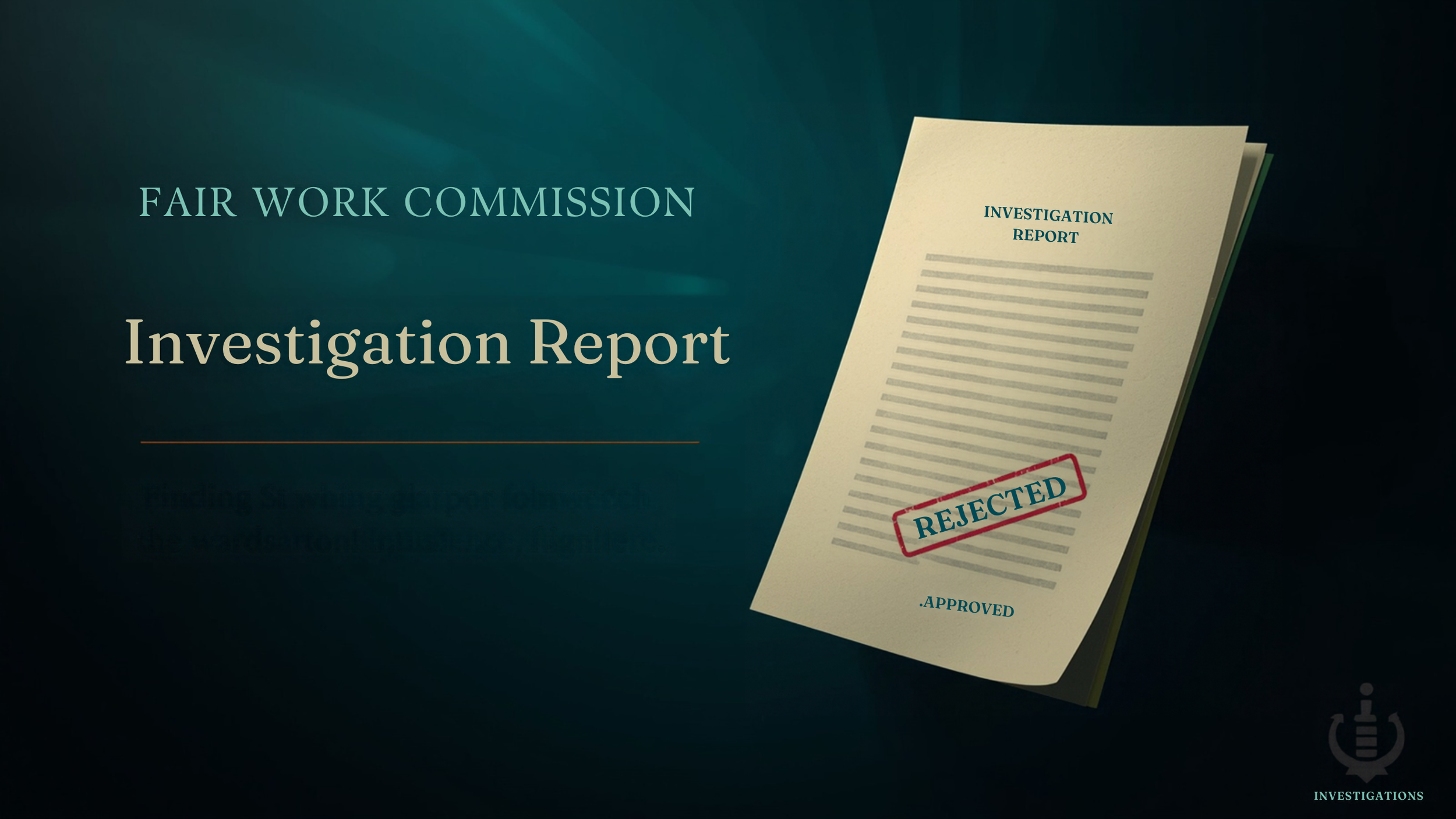
The Danger of Ignoring an Investigation Report
Poorly drafted allegations and a mislabelled reportable conduct classification cost the ACT Education Directorate on appeal. A case study in why the wording of allegations matters as much as the conduct itself.

Dismissal for Absenteeism despite 22 Years of Service and compassionate reasons for absence
A 22 year Woolworths employee was dismissed after repeated absences linked to his own illness and his son's addiction and mental health struggles. The Fair Work Commission's Full Bench upheld the dismissal for absenteeism. Here is what employers should take from the decision.

Employee Fails PIP, Then Gets Caught Using AI in His Unfair Dismissal Case
An employee dismissed after a failed Performance Improvement Plan took his case to the Fair Work Commission, then got caught using AI in his own submissions.
What the Reportable Conduct Scheme Requires You to Tell Families
Section 57 of the Children's Guardian Act sets out exactly what children and parents must be told during a reportable conduct investigation, and when an organisation can hold information back. Here's what that looks like in practice.

The Investigation Was Fair. The Findings Letter Wasn't.
A recent Fair Work Commission decision provides a useful example of how a dismissal can be procedurally fair and supported by a valid reason, yet still be found to be harsh.
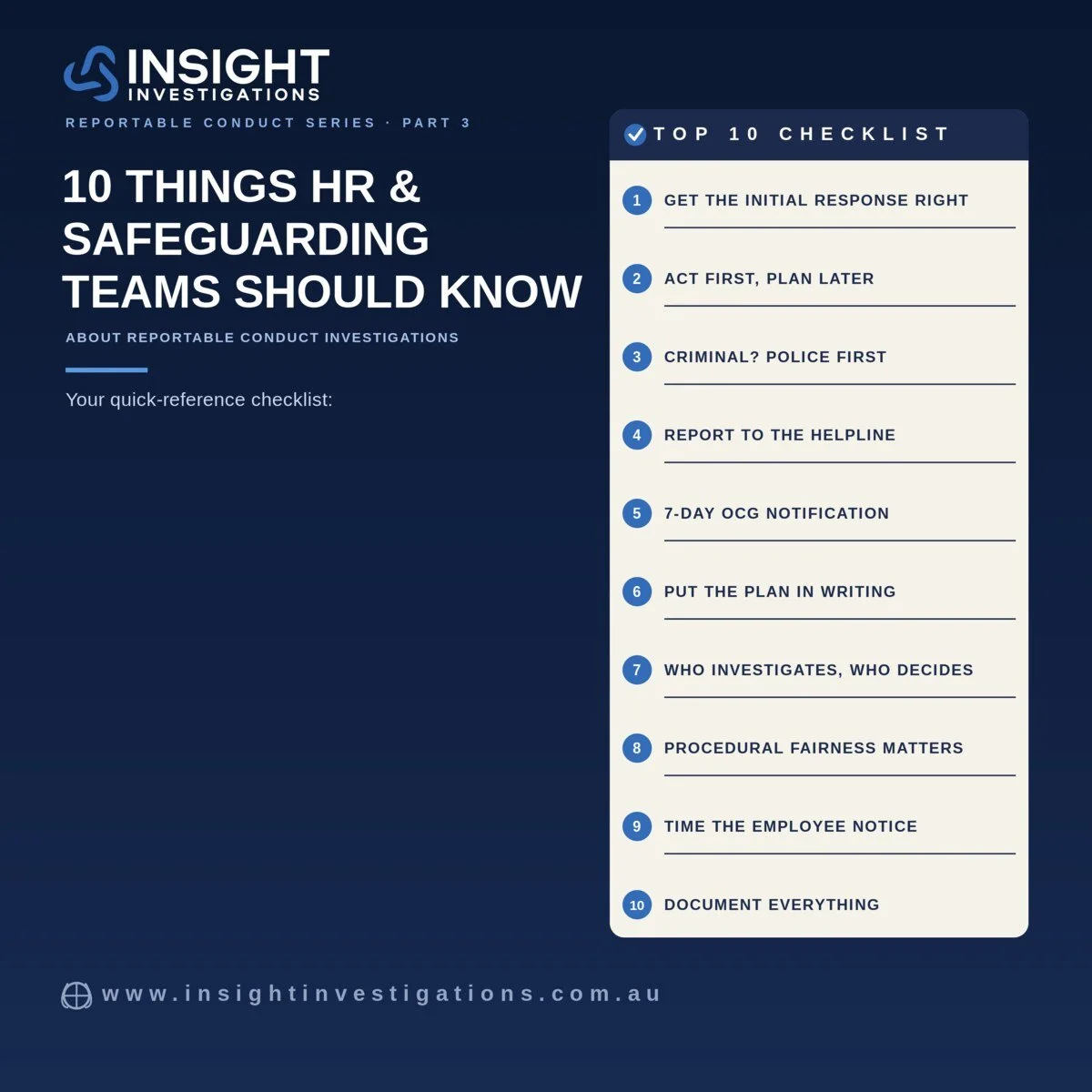
10 Things Every HR and Safeguarding Professional Should Know About Reportable Conduct Investigations
Reportable conduct investigations rarely announce themselves. One day it's business as usual, the next you've got seven business days on the clock, a child's safety to think about, and an employee who deserves a fair process, all at once.

FedEx worker reinstated after chemical spill dismissal found harsh
A recent Fair Work Commission decision provides a useful example of how a dismissal can be procedurally fair and supported by a valid reason, yet still be found to be harsh.
How to identify reportable conduct allegations. Part 2 in a reportable conduct investigation series
Identifying whether a complaint may involve reportable conduct is one of the most important early steps in any child-related workplace investigation.
Reportable conduct: what organisations need to understand before an allegation is made
Many organisations do not think closely about reportable conduct until a serious allegation is made about a worker, volunteer or contractor. By that stage, decisions often need to be made quickly.