
A valid reason to dismiss was not enough: two decisions about medical capacity and procedural fairness
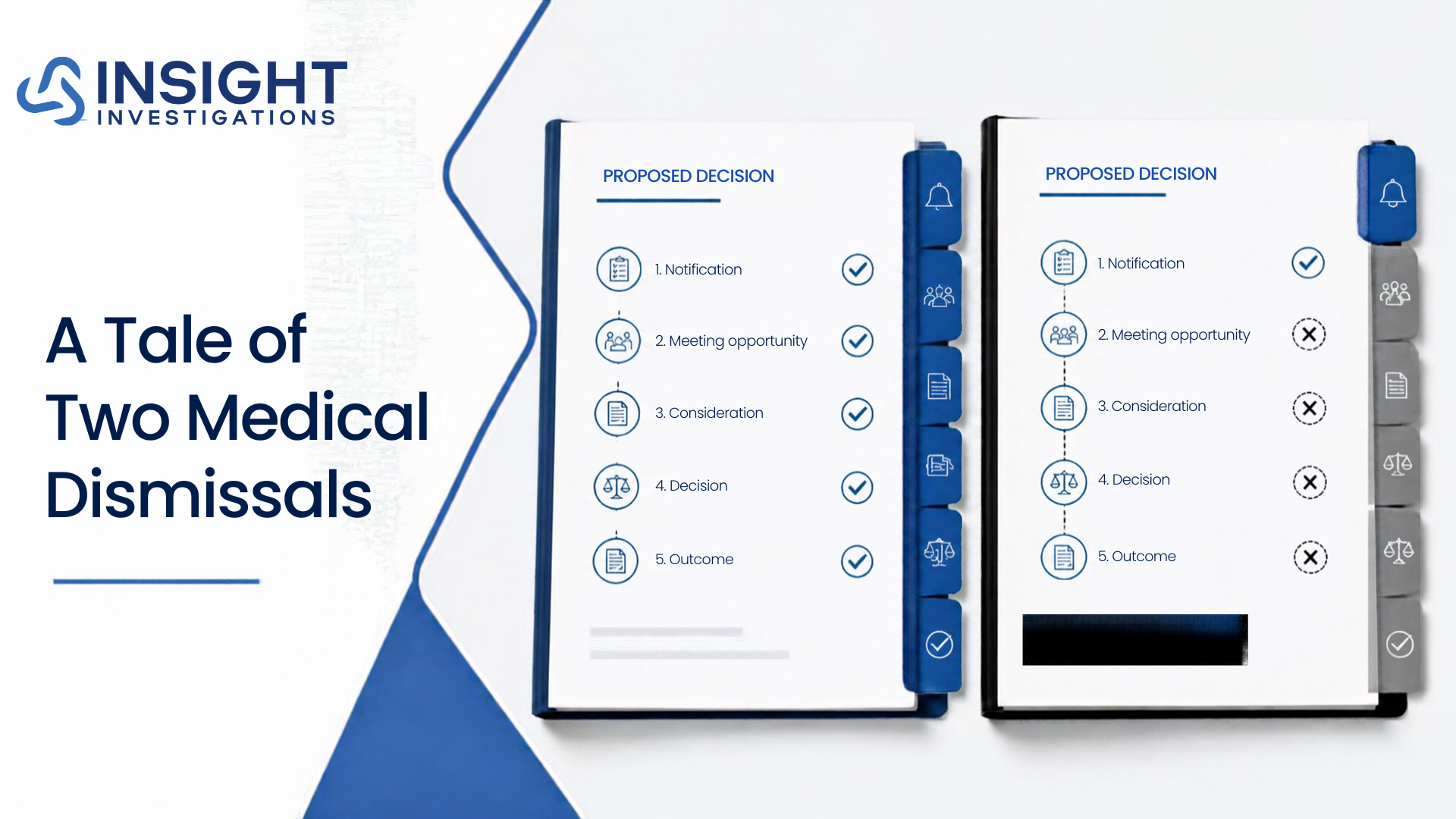
In [2026] FWC 3708, a delivery driver for a distribution business received a letter ending her employment after more than two years away from work following an injury. The employer believed she could no longer perform the requirements of her role. The Fair Work Commission accepted that there was a valid reason for dismissal, but found the dismissal unfair because she had not been told the proposed reason and given a chance to respond before the decision was made.
A decision issued three days earlier, [2026] FWC 3704, shows what that opportunity can look like in practice. It also concerned an employee’s capacity to return to work. There, the employer explained its concerns in a show-cause letter, warned that dismissal was a possible outcome and invited further information. The employee responded. The Commission dismissed his unfair dismissal application.
The delivery driver: the decision arrived with the letter
The driver’s job involved driving, deliveries, loading and unloading stock, and manual handling. She stopped working after a workplace injury and remained absent until the employer dismissed her.
The Commission found that her prolonged incapacity and inability to perform her role gave the employer a valid reason for dismissal. The problem was the sequence of events. She first learned that her employment was ending when she received the termination letter. There had been no earlier notification of the proposed reason and no opportunity to respond to it.
The Commission found the dismissal harsh and therefore unfair. It did not order compensation. Those are separate conclusions: an unfair dismissal finding does not automatically result in a payment.
The program officer: a proposed decision put to the employee
In [2026] FWC 3704, a program delivery officer working in a correctional setting had also been away from his usual duties following a workplace incident. His employer considered medical information about his capacity to perform the inherent requirements of his position.
Before dismissing him, the employer sent a show-cause letter. It stated the employer’s view that he was not fit to perform the role at that time or in the foreseeable future, invited him to provide further information and said termination was a possible outcome. He provided a written response.
The employee argued that the employer should have waited for further medical information and had not fairly considered other duties. The Commission nevertheless found a valid capacity-related reason for dismissal and that he had been notified of the reason and given an opportunity to respond. His application was dismissed.
What managers can take from the comparison
These decisions turn on their particular evidence, including the medical material available to each employer. They do, however, illustrate a practical step that should be visible in any proposed capacity dismissal.
Before making the decision, tell the employee what conclusion you are considering and why. Give them a meaningful opportunity to provide information that could affect it. Then consider that response before deciding. A termination letter that explains the decision cannot provide an opportunity to influence a decision already made.
For HR teams, it helps to keep a clear record of the material relied on, the proposed reason communicated to the employee, the response received and how it was considered. That record allows the decision-maker to check the reasoning before employment ends.
Key takeaways for managers
Identify the duties the employee must perform and the capacity evidence relevant to those duties.
Communicate the proposed reason for dismissal while the decision remains open.
Explain that dismissal is a possible outcome and invite relevant information in response.
Consider the response and record the reasons for the final decision.
FAQs
Can an employer dismiss an employee who cannot perform their role because of an injury?
A lack of capacity may provide a valid reason for dismissal. The employer must still consider the applicable law, the evidence and the fairness of the process. These decisions show that a valid reason alone did not settle the unfair dismissal question.
Is a termination letter enough to explain the reason?
It explains the final decision. In [2026] FWC 3708, telling the employee the reason for the first time in that letter meant she had no opportunity to respond before dismissal.
Does the employer have to wait for every possible future medical report?
[2026] FWC 3704 does not establish such a requirement. The employee argued that the employer should have waited for further material, but the Commission found the reason and opportunity to respond sufficient on the evidence in that case. What information is reasonably needed will depend on the circumstances.
Does a finding of unfair dismissal mean compensation will be awarded?
No. The Commission found the delivery driver was unfairly dismissed but did not order compensation.
This article is general commentary based on published decisions and does not constitute legal advice. Names and identifying details have been removed.