
Fair Work Commission decision: [2024] FWC 2062
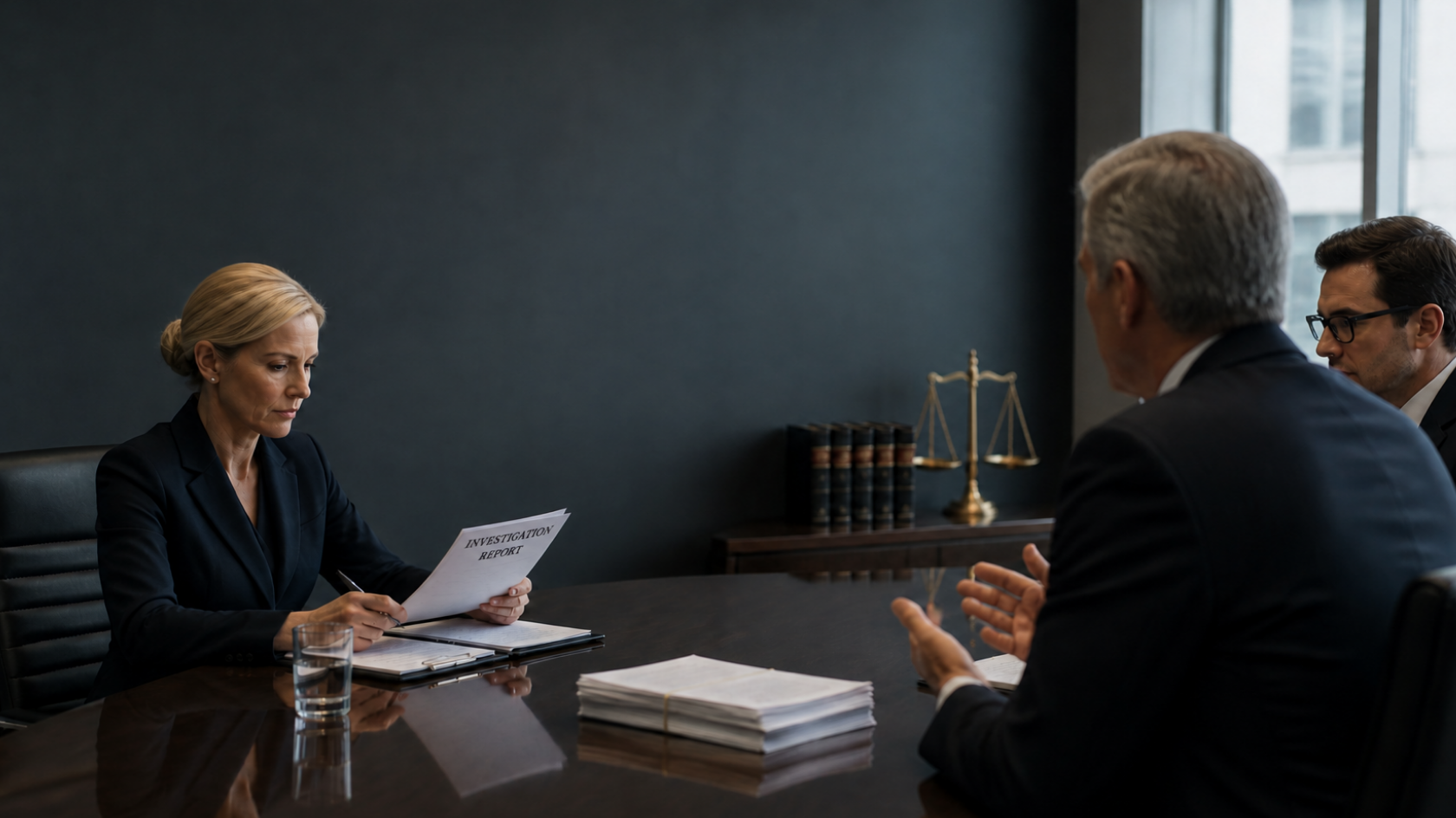
When an organisation engages an external workplace investigator, there is usually an expectation that the investigation will be impartial, thorough and capable of withstanding scrutiny.
But engaging someone from outside the organisation doesn't automatically guarantee an independent investigation.
A Fair Work Commission decision, [2024] FWC 2062, provides a useful reminder for HR managers and directors about the risks associated with appointing an investigator who has an ongoing relationship with the organisation, allowing management to become involved in reviewing investigation findings, and failing to ensure that the investigation is properly conducted.
What Happened?
The case concerned an employee with approximately 38 years of service who was dismissed following an investigation into allegations of sexual harassment involving two female cleaners at a mine.
The organisation appointed a senior lawyer from its preferred law firm to investigate the complaints.
However, the lawyer was also working as an embedded contractor within the organisation's internal investigations team.
The investigator substantiated the allegations, and the employee was subsequently dismissed.
The employee challenged the dismissal before the Fair Work Commission.
Although the Commission ultimately found that sexual harassment had occurred and that there was a valid reason for dismissal, it identified significant deficiencies in the investigation process.
Was the Investigator Really Independent?
During the proceedings, the investigator gave evidence that he regarded himself as an external and independent investigator.
Commissioner Riordan disagreed.
At paragraph [172], the Commissioner stated:
“I am of the view that Mr Ritchie is neither external nor was his report independent.”
The Commissioner identified several concerns, including the investigator's ongoing relationship with the organisation, his approach to gathering and assessing evidence, and his communications with senior management.
Particularly concerning was the fact that the investigator had provided a draft report to the organisation for review and amendment before issuing the final version.
The Commissioner was highly critical of this practice.
The decision raises an important question for HR managers who engage external investigators: how much involvement should the organisation have in the investigation once the investigator has been appointed?
Should HR Review an External Investigator's Draft Report?
In practice, HR managers and directors often want to review draft investigation reports before they are finalised.
There may be legitimate reasons for doing so, such as identifying factual errors, checking whether the report addresses the agreed terms of reference, or requesting clarification of an ambiguous conclusion.
However, organisations should establish clear boundaries around the review process.
In [2024] FWC 2062, Commissioner Riordan was critical of the investigator maintaining contact with senior employees throughout the investigation and providing a draft report for review and amendment.
The decision does not establish that all draft report reviews are prohibited, nor does it determine precisely what amendments were requested or made in this case.
Nevertheless, it demonstrates the risks associated with employer involvement in a process that is represented as independent.
For HR managers, a sensible approach is to agree on the purpose and limits of any draft report review at the outset.
Any comments should be directed towards matters such as factual accuracy, scope or clarity. Responsibility for weighing the evidence and determining findings should remain with the investigator.
If the organisation disagrees with the investigator's conclusions, that disagreement should be addressed transparently through an appropriate decision-making process.
How Much Oversight Should HR Have During an Investigation?
Engaging an external investigator doesn't mean HR should have no further involvement.
The organisation remains responsible for managing the engagement and ensuring that the investigation can be completed effectively.
This may include arranging access to documents, identifying relevant staff, managing workplace risks, and responding to requests for additional resources or extensions of time.
However, HR should be careful about influencing which evidence the investigator considers or what conclusions should be reached.
One of the criticisms in this case was that the investigator failed to pursue potentially important witnesses.
Two complainants had identified a person who may have witnessed part of the alleged conduct. Although they could not provide the person's name, the Commissioner considered that further enquiries could have been made to identify the witness.
This is an example of an issue HR could appropriately assist with by facilitating access to employee records or other information that might enable a witness to be located.
The decision provides a useful reminder that organisations commissioning investigations should ensure investigators have sufficient access to relevant evidence and the resources needed to conduct proper enquiries.
The Risks of Rushing an Investigation
Another significant criticism concerned the time allowed for the investigation.
The investigator acknowledged that investigations would ordinarily take approximately 20 days, but this investigation had been completed in seven.
The Commissioner was concerned that the investigator had not allowed sufficient time to pursue relevant witnesses, properly test the evidence or adequately consider the respondent's account.
The Commission also criticised the use of leading questions and the failure to explore inconsistencies in witness evidence.
In one instance, a complainant alleged that the employee had made an inappropriate comment while she was operating cleaning equipment.
The investigator had not explored whether she could actually hear the alleged comment above the noise of the machine.
When questioned during the Commission proceedings, the complainant acknowledged that she had not heard the comment.
The Commission rejected part of the investigator's findings as a result of deficiencies in the evidence.
For HR managers, the practical lesson is to ensure that investigation timeframes are realistic.
Commercial pressures, operational requirements or the desire to resolve complaints quickly should be balanced against the need for a thorough and procedurally fair process.
Where an investigator identifies the need for further enquiries, organisations should be prepared to reconsider the original timeframe.
What About Telephone or Video Interviews?
The Commissioner also criticised the methods used to interview the parties.
The complainants had been interviewed by telephone, while the respondent was interviewed by videoconference.
The Commissioner expressed concern that these arrangements limited the investigator's ability to observe the interviewees and assess aspects of their responses.
These observations were made in the circumstances of this particular investigation. The decision should not be interpreted as establishing a general prohibition on telephone or video interviews.
However, HR managers commissioning an investigation may wish to discuss the proposed interview arrangements with the investigator, particularly where the allegations are serious, there are communication difficulties, or the credibility of competing accounts is likely to be central.
The chosen interview method should be appropriate to the circumstances and allow the investigator to obtain and test the evidence effectively.
What Was the Outcome?
The Commission did not accept all the investigator's findings.
It rejected parts of two allegations and the entirety of a third allegation, finding that aspects of the investigation were flawed.
Nevertheless, the Commission independently assessed the evidence and found that the employee had engaged in sexual harassment.
The employer therefore had a valid reason for dismissal.
However, the employee had not been given an adequate opportunity to respond before the dismissal decision was made.
The Commission found the dismissal unfair, declined to order reinstatement and awarded compensation equivalent to one week's pay.
The outcome demonstrates that even where an organisation has a valid reason for dismissing an employee, deficiencies in the investigation and disciplinary processes may expose it to an unfair dismissal finding.
What Should HR Managers Take From This Decision?
For organisations engaging external workplace investigators, several practical considerations arise.
1. Consider the investigator's relationship with the organisation.
Before appointing an investigator, consider whether they have an existing relationship with the organisation that could raise questions about their independence.
2. Establish clear terms of reference.
Set out the investigator's responsibilities, reporting arrangements and the respective roles of the investigator and organisational decision-maker.
3. Agree on the draft report review process.
If HR intends to review a draft report, establish the purpose and limits of that review before the investigation begins. Any comments should be handled transparently, with the investigator retaining responsibility for the findings.
4. Ensure the investigator has access to relevant evidence.
HR can assist by facilitating access to documents, records and witnesses without directing the investigator's conclusions.
5. Allow realistic timeframes.
Avoid setting deadlines that prevent the investigator from following relevant lines of enquiry or properly considering the evidence.
6. Maintain a fair disciplinary process.
Before taking disciplinary action, ensure the respondent has had a meaningful opportunity to respond to the matters relied upon in reaching the proposed decision.
Conclusion
The decision in [2024] FWC 2062 provides a useful reminder that organisations need to consider more than an investigator's qualifications and experience when commissioning a workplace investigation.
The investigator's relationship with the organisation, the arrangements for reviewing reports, and the resources and time allowed for the investigation can all affect the integrity of the process.
For HR managers and directors, establishing appropriate boundaries and clear expectations from the outset can help ensure that the investigation is thorough, impartial and capable of supporting defensible decisions.
Source: Fair Work Commission, [2024] FWC 2062, particularly paragraphs [171]–[182].
Read the published FWC decision
Insight Investigations provides independent workplace investigations, including bullying, harassment, sexual harassment and other misconduct investigations, for organisations across Australia.